

Fifteen teams. Eight days. One ten gate course. The AI Grand Prix Physical Qualifier brought autonomous drone racing from the DCL Simulator into the real world and determined the ten teams advancing to the Season 1 Championship.
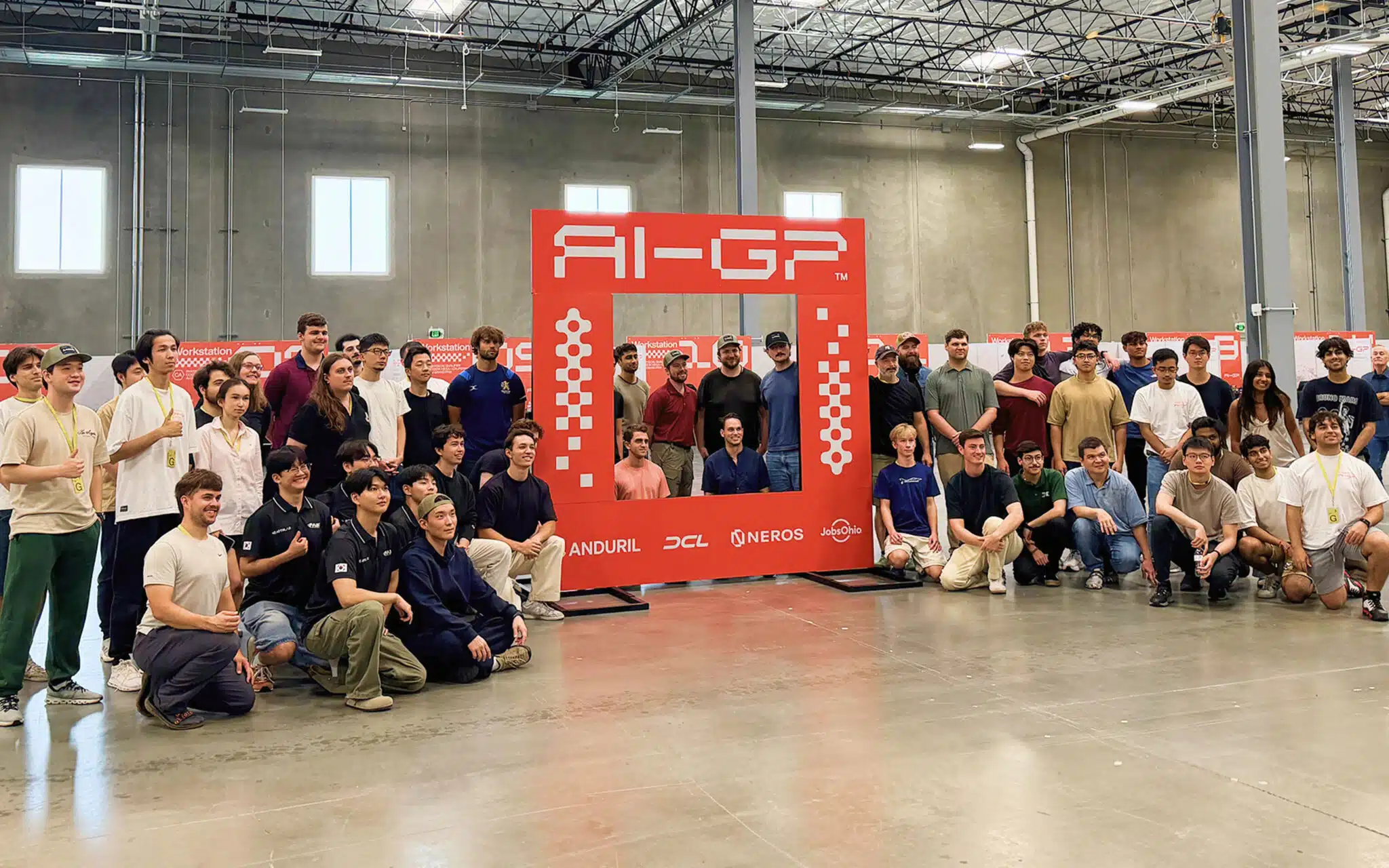
At Anduril’s LC3 facility in Costa Mesa, California, teams from eight countries put their autonomous flight systems to the test. Their challenge: navigate a real drone through an indoor course, with onboard software making the flight decisions.
The Physical Qualifier followed two virtual qualifying rounds, narrowing a field that began with more than 3,000 registered teams. For the 15 teams that reached California, it was an opportunity to demonstrate how their work in simulation would perform on a physical aircraft.
The DCL Simulator provided the environment for teams to develop, test and refine their autonomous systems during virtual qualification. California brought the next challenge: transferring that work to real drones.
Teams flew standardized Neros Archer drones equipped with DCL’s AI Vector Module. With a common hardware platform, the competitive edge came from the software: how effectively each system could interpret the course, navigate the gates and balance speed with reliable flight.
DCL also ran race operations on site, applying its experience in professional drone racing to an autonomous competition. Teams competed in individual time trials on the same ten-gate course, with every flight offering another test of their system’s performance under real conditions.
EE>>>SWE finished at the top of the ranking, completing two laps in 1:05.93. KAIST-FAIR followed with 1:07.78, finishing just 1.85 seconds behind.

Across the field, advancing through the course was a challenge in its own right. The results reflected both the distance teams progressed and the time taken, highlighting the importance of consistent gate detection and navigation alongside outright speed.
The ten teams advancing to the Season 1 Championship are:

Congratulations to all 15 teams that reached the Physical Qualifier, and to the final ten continuing their AI Grand Prix journey.
The Physical Qualifier brought together DCL’s contribution across simulation, onboard technology and competition operations. Teams qualified through the DCL Simulator, flew aircraft equipped with the DCL AI Vector Module and competed in an event operated by the DCL team.

It marked an important stage in the competition: autonomous systems developed in a virtual environment were now navigating a physical course, with results measured in real flight.
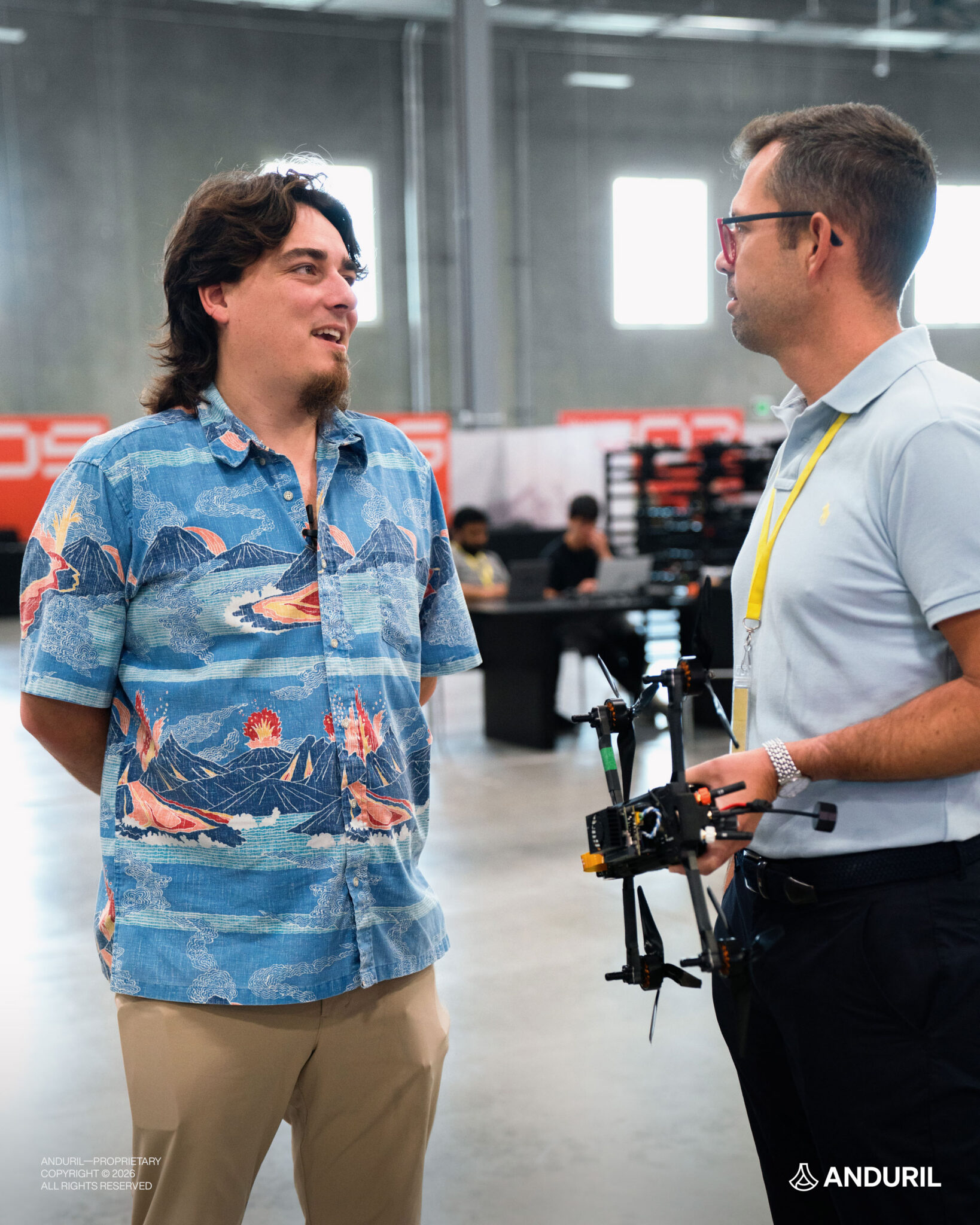
Thank you to Anduril Industries, Neros Technologies and JobsOhio, and to the teams and event crew who made the Physical Qualifier possible.
The final ten now advance to the AI Grand Prix Season 1 Championship at Anduril’s Arsenal-1 facility in Ohio on 11 December 2026, where they will compete for a share of the $500,000 prize pool.
Follow DCL for more stories from the Physical Qualifier and updates as the teams prepare for the championship.
What is the AI Grand Prix?
The AI Grand Prix is an autonomous drone competition in which teams develop software to fly drones without a human pilot controlling them. Teams progress through virtual qualification, a Physical Qualifier and the Season 1 Championship.
Where did the AI Grand Prix Physical Qualifier take place?
The Physical Qualifier took place at Anduril’s LC3 facility in Costa Mesa, California. Fifteen teams from eight countries competed over eight days on an indoor, ten-gate course.
How did the Physical Qualifier work?
Teams competed in individual autonomous time trials on the same course. Results reflected their progress through the gates and the time taken. The top ten teams qualified for the championship in Ohio.
Who won the AI Grand Prix Physical Qualifier?
EE>>>SWE won with a two-lap time of 1:05.93. KAIST-FAIR finished second with 1:07.78, just 1.85 seconds behind.
What was DCL’s role in the AI Grand Prix?
DCL provided the simulator used during virtual qualification, supplied the DCL AI Vector Module integrated into the competition drones and operated the Physical Qualifier on site.
Which drones did the teams use?
Teams used standardized Neros Archer drones equipped with DCL’s AI Vector Module. The common hardware platform allowed teams to focus on developing their autonomous flight software.
When and where is the AI Grand Prix Season 1 Championship?
The championship takes place on 11 December 2026 at Anduril’s Arsenal 1 facility in Ohio. The ten qualifying teams will compete for a share of the $500,000 prize pool.
For Press Inquiries:
Drone Champions League
media@dcl.racing